
Your First Night After Moving: What to Keep Within Reach
October 11, 2026
Imagine reaching the new home tired, with boxes in every room. You need to wash your hands, charge a phone, eat something and make a bed. If any of those jobs requires opening six cartons, your first-night kit needs another look.
Pack for those tasks first. Keep keys and personal essentials with a named person, then organise small kits for the bathroom, a simple meal and bedding. Before sealing them, try the arrival rehearsal below. It catches the missing towel or charger while you can still reach the cupboard, rather than after the whole household is packed.
1. Describe the first evening before choosing containers
Write down your likely arrival situation: who will be there, whether beds will be assembled, what kitchen equipment is already available and what needs to happen the following morning. Include children, pets or accessibility needs where relevant to your own household.
The Taylor Wimpey first-night guide recommends accessible supplies for personal care, sleeping, the kitchen and cleaning. Use those categories as a starting point, then remove items that do not help your actual arrival.
For example, a household expecting a late delivery may need bedding and a ready meal plan more urgently than a full cookware collection. Someone working early the next morning may need a separate work bag rather than another general essentials carton.
2. Build an access and communication kit
Keep keys, the new address, entry instructions and important contact details with a named person. Include phone charging equipment and a suitable torch so finding a box does not depend on another box containing the charger.
Store necessary documents securely and separately from ordinary labelled cartons. Do not write sensitive information on a box visible to everyone carrying the load. If two people arrive at different times, decide who can open the property and how the other person will get access.
Test the kit by pretending your phone battery is low and nobody else is immediately available. Can you find the right entrance, call the receiving contact and identify the room intended for the first delivery? Add the missing information now.
3. Give each person a small overnight bag
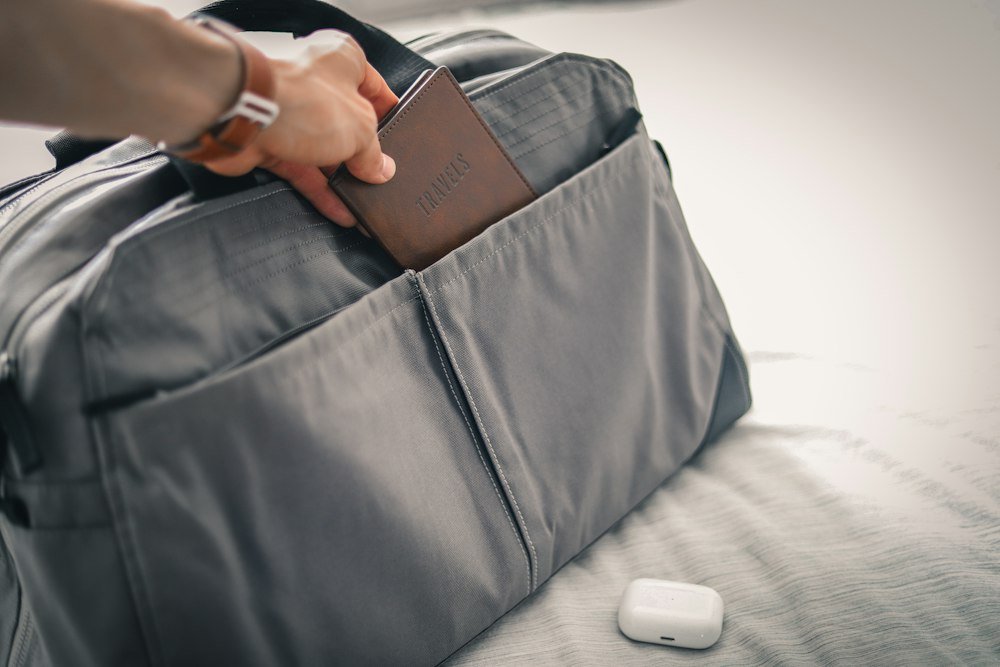
Pack toiletries, a towel, nightwear, clean clothes and the personal items needed until the following day. Keep medicines and any temperature-sensitive items according to their own instructions and with the appropriate responsible person.
An individual bag is easier to hand over than one enormous family box whose contents have to be sorted in a hallway. Label it with the person’s name or a simple identifier and make sure they know where it will travel.
For children, choose a few familiar items that make the evening manageable without recreating the whole bedroom. Keep essential pet supplies in the pet’s own arrival kit, coordinated with the separate care and travel plan.
4. Pack a bathroom kit that works immediately
Think through using the bathroom before general unpacking. Include toilet paper, soap and the toiletries your household actually needs. Pack liquids in suitable closed containers and separate them from bedding or papers that would be damaged by a leak.
Check which towels are already in personal bags so you do not duplicate supplies unnecessarily. Include a small cleaning kit for the tasks you expect to complete, and follow product labels. Transport products in an appropriate arrangement; do not decant them into unlabelled drinks bottles.
At the new home, put the bathroom kit in the bathroom as soon as the route is clear. Check that everyone knows it contains the first-night soap, paper and towels. If two people are unpacking different rooms, this lets one finish the bathroom while the other handles beds. Keep it off the doorway and separate from the cleaning products that need their own labelled storage.
First-night kits: organise by the task you need to complete
Open and inspect
Keys, contacts, phone power and a suitable torch.
Wash and change
Toiletries, towels and personal overnight supplies.
Eat and drink
A practical meal plan and only the utensils it requires.
Sleep and start
Accessible bedding, clothes and next-morning essentials.
5. Choose one achievable meal plan
Decide whether you will bring a suitable ready-to-eat option, arrange a meal from elsewhere or use equipment already available. Pack only the mugs, plates, utensils and washing-up supplies that plan requires. Consider dietary needs and keep food stored according to its instructions.
Do not make the plan depend on an appliance that is travelling and may not be ready for use. A moved fridge, for example, needs its own installation and restart checks. Keep that process separate from the question of what the household will eat tonight.
A useful example is a kitchen pouch containing four mugs, the agreed drink supplies, a cloth and the utensils needed for the chosen meal. Its size reflects a defined task, not every object that might someday be useful.
6. Keep sleeping essentials together with the bed plan
Pack accessible sheets, pillows and bedding for each planned sleeping place. Link those supplies to the actual delivery and assembly arrangements. Having bedding ready does not solve a missing frame fixing or a mattress that has been delivered to the wrong room.
Label bedding by destination where that helps: “Bedroom 1 tonight” is easier to act on than “linen”. Keep the relevant bed fixings and instructions identifiable separately, and confirm who is responsible for assembly rather than assuming it happens automatically.
ComfortVan provides house removals. Explain any priority bedroom delivery when making the enquiry, and confirm the sequence in the booking rather than relying on an essentials label to control unloading.
First-night bags: what stays with you
| Keep accessible | Why it belongs here |
|---|---|
| Keys, medicines and documents | Keep these with you rather than in the removal load. |
| Phone and charger | Use them to coordinate arrival and contact the provider. |
| Toiletries and clean clothes | Use these before opening the main cartons. |
| Bedding, towels and mugs | Mark a separate essentials box for early unloading. |
7. Decide where the kits travel and who receives them
Separate personal items travelling with you from containers included in the removal. Ask how any first-access cartons will remain available during unloading. The loading plan needs to match your priorities; simply writing “open first” does not guarantee a carton will be reachable behind other items.
Use a short kit list: access kit, personal bags, bathroom kit, meal kit and bedding. Assign each to a person or a clearly agreed delivery position. At the new property, reserve a small area where these supplies can be placed without obstructing furniture movement.
If the arrival time changes, update the responsible people. Make sure a person delayed elsewhere has not accidentally taken the only keys or every item needed by those already at the property.
8. Run a ten-minute arrival rehearsal before sealing the bags
Start with the packed kits and walk through the evening in order: enter, communicate, wash, eat, prepare a bed and get ready for morning. This is a planning exercise, not a promise that the real move will take ten minutes.
Whenever the rehearsal requires opening a general household box, decide whether that item should move into an accessible kit or whether the task can wait. Check the next morning too: clothes, work materials and school essentials are easily forgotten when attention stops at bedtime.
Common mistakes to avoid
- Making one oversized box too heavy or disorganised to use.
- Packing keys and charging equipment with the general load.
- Planning a meal around an appliance awaiting installation.
- Separating bedding from the agreed bedroom delivery plan.
- Assuming “open first” automatically means “unloaded first”.
Final first-night checklist
- Entry and contact kit stays with its named person.
- Personal bags and bathroom supplies are accessible.
- Meal plan works with the equipment available.
- Bedding and bed arrangements match.
- Travel, unloading priorities and next-morning needs have been rehearsed.
Frequently asked questions
How many essentials boxes should I pack?
Use the number needed for manageable task-based kits. There is no useful universal count; accessibility and clear responsibility matter more.
Should everything travel in my car?
Keep critical personal items with you where practical and arrange the remaining kits within the agreed removal plan. Do not exceed the safe capacity of your separate transport.
Can I request priority delivery to a bedroom?
Explain the requirement through the contact page and confirm what can be agreed for the particular job.