
Moving House With a Cat: Plan the Rooms, Doors and Journey
October 11, 2026
The front door may be open repeatedly on moving day. For a cat, that makes a secure room and a named carer more useful than another reminder to “be careful”. Decide which room stays closed before the first piece of furniture leaves the house.
Put the cat’s carrier and familiar supplies aside, arrange its travel separately, and prepare a receiving room at the new home. Tell every helper who controls the cat-room door. The plan below focuses on those handovers; use Cats Protection’s guidance and your vet’s advice for your cat’s individual welfare and settling needs.
1. Choose the cat’s arrangements before setting the loading plan
Consider whether the cat will stay with you during the move or whether a suitable temporary arrangement is preferable. Cats Protection’s moving-home guidance discusses options such as a quiet room, a trusted carer or a cattery, depending on the cat and circumstances.
If you choose outside care, confirm its booking, collection time and requirements in advance. Ask your vet about individual welfare or travel concerns rather than improvising treatment on moving day.
Write down the chosen arrangement, the person responsible and a backup contact. For example: “Sam manages the cat from breakfast until arrival; Alex handles the removal team.” This separates two jobs that can otherwise compete for attention at the front door.
2. Select a room that will stay outside the loading route
Choose a room that can be kept secure and does not need repeated access for furniture. Prepare it before the busiest part of the day. Cats Protection recommends a quiet room with familiar items and the cat’s necessary resources while the move is taking place.
Inspect the room yourself. Check doors, windows and any unusual opening, and make sure the chosen door closes properly. Avoid a room full of furniture that must be removed halfway through loading. If the bathroom is the only suitable option, account for household access to it before accepting the arrangement.
Put a simple notice on the outside: “Cat inside: keep door closed. Contact Sam before entry.” Tell the removal team directly too; a sign alone is easy to miss when somebody is concentrating on carrying a large item.
3. Pack the cat’s travel and arrival kit separately
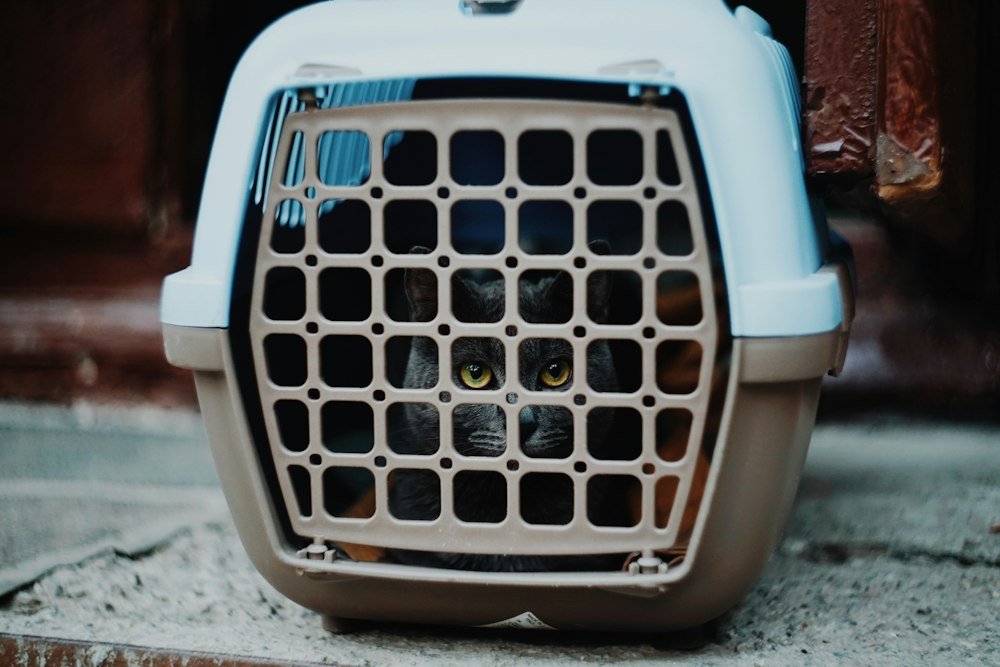
Keep the carrier and everyday supplies accessible rather than loading them into an unidentified box. Make a labelled kit containing the items your cat normally needs, its familiar bedding, cleaning materials and contact details for the current vet. Pack food and medication according to their own storage instructions.
Check the carrier before the day of travel. Ensure its closures work and that you know how it opens without fumbling at the new property. Discuss any specific carrier or journey concerns with your vet or an appropriate animal welfare source.
Keep address and contact information available to the person travelling with the cat. The responsible person should not have to search the removal load to find an emergency number, a towel or the new home’s keys.
4. Brief everyone who might open a door
Explain the plan to household members, friends helping with boxes and the removal team. Identify the excluded room on the collection plan and make clear when, if ever, somebody needs to enter it. Repeat the briefing if another helper arrives later.
Give helpers one simple rule: ask the named carer before opening the cat-room door. Put that person’s name on the notice and repeat the instruction when someone new arrives. Children should know which adult to ask too. When the carrier leaves the room, the carer tells the other household members; nobody should be relying on “I thought somebody had already checked”.
When arranging a house removal, tell ComfortVan about the room that must stay closed and any resulting change to furniture collection. Agree the household loading sequence without assuming the team takes responsibility for your cat.
Keep one person responsible for the cat throughout the move
Before loading
Prepare a secure quiet room and tell everyone which door stays closed.
During the move
The named carer manages the carrier and the separate travel plan.
At arrival
Prepare the receiving room before opening the carrier inside it.
After delivery
Check access security and follow settling advice before expanding the space.
5. Confirm a separate journey and key handover
Decide how the cat and responsible person will reach the new home. Confirm any transport provider’s pet policy before booking. Do not place a carrier into the household goods load or assume there will be an appropriate passenger or animal space in a removal vehicle.
Make the keys part of the same plan. If the responsible person arrives first, they must be able to enter and prepare the receiving room. If they arrive later, someone else needs to have prepared that room and kept it unavailable to the loading team.
For a longer move, account for the entire journey and any necessary arrangements with advice appropriate to your cat. Do not rely on the furniture delivery time as a precise prediction of your separate arrival.
6. Prepare the receiving room before the cat enters it
At the new property, inspect the chosen room before using it. Check that it is secure, that windows and doors are controlled and that unfamiliar gaps or maintenance work do not undermine the plan. Put the familiar kit there before the carrier is opened inside the secured room.
Use the same outside-door notice and named-carer arrangement. Direct boxes and furniture to other rooms first if this keeps the cat room quieter and avoids repeated entry. Make sure its door does not become the shortcut everybody uses to reach another part of the home.
Cats Protection advises allowing time to settle and following its guidance on access to the wider home and outdoors. Do not treat the completion of unloading as evidence that the cat is ready to be released outside.
Door sign for the cat’s quiet room
| Before opening this door | Check |
|---|---|
| CAT INSIDE — KEEP DOOR CLOSED | Tell every mover and household member which room is in use. |
| Carrier ready | Close and secure the carrier before moving the cat out. |
| Route clear | Keep the carrier away from the main carrying route. |
| At the new home | Prepare a quiet room before opening the carrier. |
7. Close the move with a calm household check
After the team leaves, check that external doors and windows are in the condition you expect. Tell everyone whether the cat room remains closed and who is now responsible. Keep the essential kit available while the rest of the house is unpacked.
Update address-related arrangements such as the cat’s identification records and veterinary contacts through the relevant providers. Ask your vet if you are uncertain about changes in behaviour or the settling plan. The purpose of the removal checklist is coordination, not diagnosis.
Common mistakes to avoid
- Choosing the room that contains the next piece of furniture to be collected.
- Loading the carrier or cat supplies into the general removal load.
- Relying on a sign without briefing the people carrying furniture.
- Assuming an ordinary removal service includes pet travel.
- Opening the carrier before the receiving room is secured.
Final cat moving checklist
- Chosen care arrangement and named carer confirmed.
- Secure collection room prepared outside the loading route.
- Accessible carrier, familiar kit and veterinary contacts ready.
- Every helper briefed and the door clearly marked.
- Separate travel, keys and receiving-room preparation coordinated.
- Settling and outdoor access follow appropriate welfare advice.
Frequently asked questions
Can the cat travel with the furniture?
Arrange appropriate pet travel separately. Do not infer that a household goods booking provides a suitable animal transport arrangement.
What if the chosen room must be emptied?
Change the plan before loading starts. Coordinate an alternative secure room and a controlled transfer with the named carer.
What should I tell the mover?
Explain the closed-room plan, furniture affected and access sequence. Send those details through ComfortVan’s contact page so they can be considered alongside the removal enquiry.